What Are Building Blocks, and Why Are They Useful for Cultural Heritage?
OGC Sensor Planning Service (SPS) ogc.org
Aurekai listening
Listen to this summary
Original instrumental score; voice stays in front.
Ready to listen
This reads the text available on this page using your browser's voice. It is not a publisher-recorded narration; voice processing depends on your browser.Anyone who has worked in cultural heritage documentation will recognise a common challenge: different institutions often record similar information in different ways.
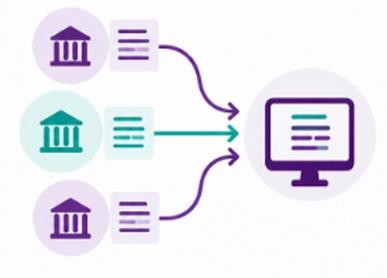
Imagine, for example, that several teams are documenting historic buildings. They may all record the building’s name, location, construction phases, materials, condition, previous interventions, photographs, drawings or three-dimensional (3D) models. However, they may organise and describe this information differently.
More ways to use this
Open on another device

Scan to open this page. Your saved notes and account access are not included.