Reinterpreting the Past to Reimagine the Future: Slavery and Empire in Museums
Museum-iD museum-id.com
Listen to this summary
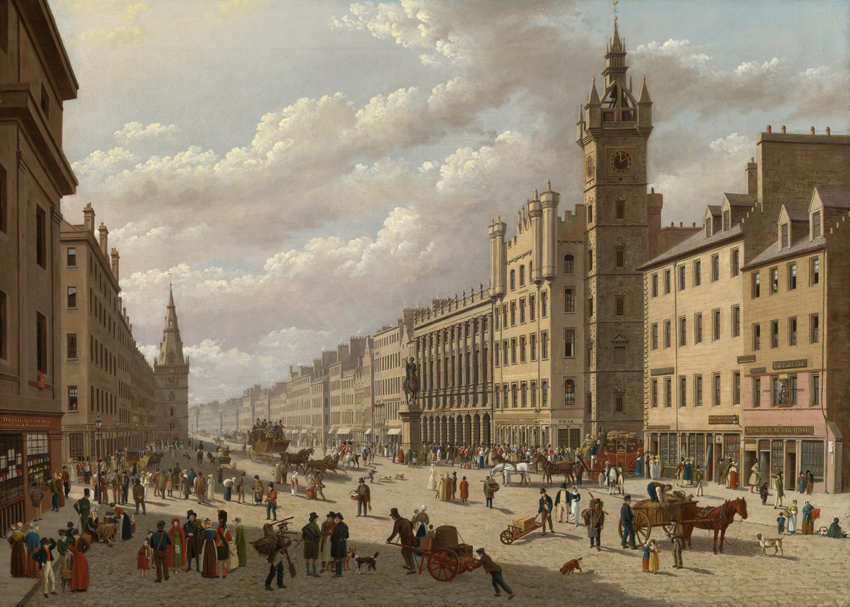
One of my favourite artworks in a museum is John Knox’s Old Glasgow Cross. It’s not only the way the painting shows a scene full of people and life, but it helps you feel like you can see 1800s Glasgow. It also connects us to the present, while the horse and carts have long gone replaced with buses, e-bikes, and cars, many of the buildings or scenery remain the same or look similar (with the clock tower) still standing tall.
Yet there is another side to it; much of the scene painted by Knox highlights some of Glasgow’s connections to British colonialism and transatlantic slavery. The painting shows a statue of King William III, depicted on horseback. William is best known for replacing James 2nd in the ‘Glorious Revolution’ and strengthening British rule in colonial Ireland, with a key part of this being the oppression of Irish Gaelic and Catholic communities. William also owned shares in the Royal African Company, a firm that trafficked enslaved Africans and profited from slavery. His statue still stands in Glasgow’s Necropolis today.
More ways to use this
Open on another device

Scan to open this page. Your saved notes and account access are not included.