For Southern Antagonists in the Civil War, a Kindred Desire for Peace Goes Awry
HistoryNet historynet.com
Listen to this summary
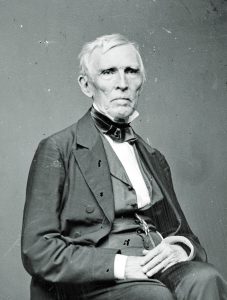
On December 18, 1860, John J. Crittenden of Kentucky introduced a compromise plan to the U.S. Senate. Just two days later, South Carolina would become the first state to secede from the Union, and within six weeks, six more Southern states would follow suit. But while Dixie fire-eaters were driving their states pell-mell toward disunion, Senator Crittenden and other moderates were working to broker a sectional adjustment — one that could, they hoped, soothe Southern fears about Abraham Lincoln’s election and stay the secession tide in the South.
The Crittenden Compromise would be central to these efforts during the winter and spring of 1860-1861. It represented an attempt to settle the slavery question once and for all, drawing on the tradition of grand settlements like the Missouri Compromise and the Compromise of 1850. Indeed, the cornerstone of Crittenden’s plan was a constitutional amendment that would divide the remaining Western territories along the old Missouri Compromise line, barring slavery above and protecting slavery below the 36º 30’ parallel.
More ways to use this
Open on another device

Scan to open this page. Your saved notes and account access are not included.