
Your best AX fixes are hiding in agent trajectories
Microsoft for Developers microsoft.com
Listen to this summary
An eval score tells you whether the agent finished the task. To improve how agents work with your product, you need to see where they struggled, and that’s in the trajectory, the record of every step the agent took and why. Agents are persistent. They guess another URL after a 404 and try values until an error goes away, so the struggle rarely shows up in the score.
We saw this when we evaluated Dev Proxy, a local proxy that intercepts your app’s HTTP requests. We asked GitHub Copilot Chat with Claude Sonnet 5.5 and no extensions, five times, to write a CI script that uses the Dev Proxy API to record which GitHub APIs a Node.js tool calls. All five scripts worked. Yet the trajectories showed 15 problems, and each run took 29 to 39 requests and up to 1.2 million tokens.
More ways to use this
Open on another device

Scan to open this page. Your saved notes and account access are not included.
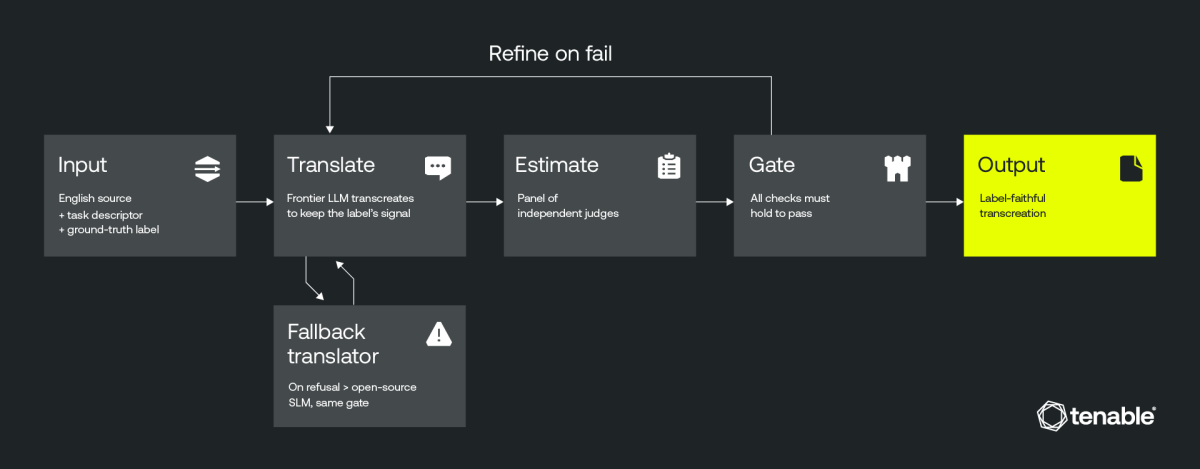 How Tenable brought multi-language support to security detectors with agentic translation