Open Access Content and AI: Questions of Use, Rights and Responsibility
CLOCKSS clockss.org
Listen to this summary
Open Access Content and AI: Questions of Use, Rights and Responsibility
Open access has made scholarly research available to people who could not previously reach it, and we should take seriously the possibility that this same body of work could help AI systems produce more useful answers. A model that has encountered research from a broad range of disciplines, countries and languages has a better foundation than one drawing mainly on whatever happens to be abundant elsewhere on the web. AI tools that retrieve articles while answering a question can also help people find research outside their own field. These are possibilities, however, rather than guarantees of reliability, because the system still has to interpret the work accurately, distinguish a study’s…
More ways to use this
Open on another device

Scan to open this page. Your saved notes and account access are not included.
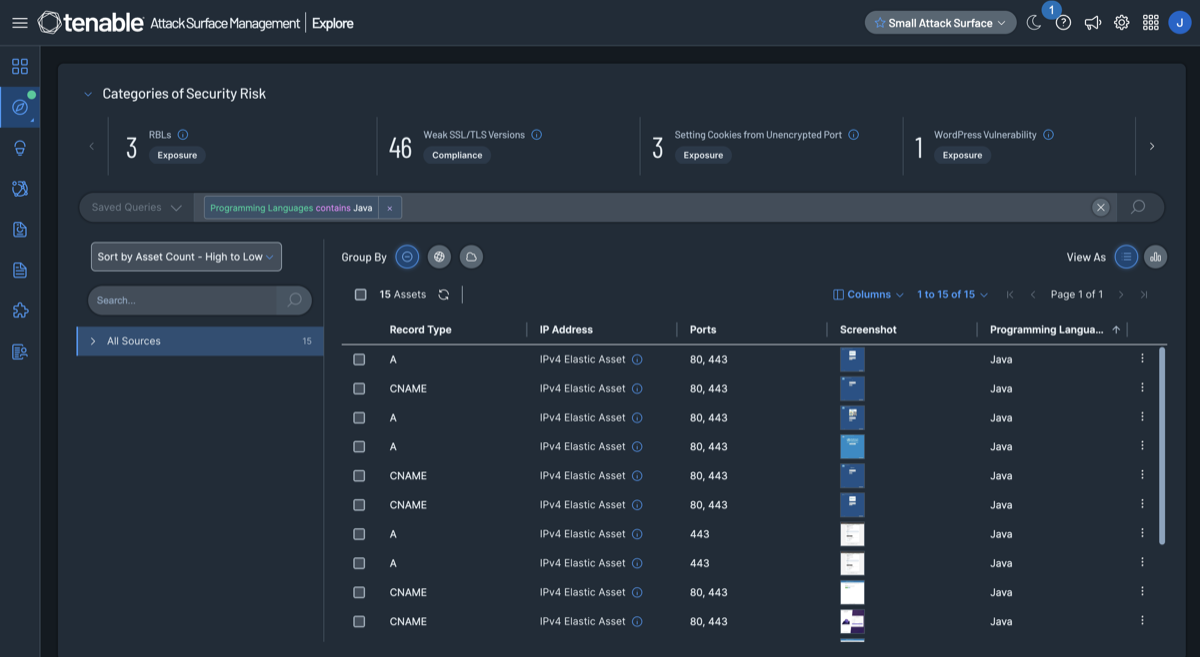 Java4Shell (CVE-2026-114938): Frequently asked questions about OpenJDK remote code execution vulnerability
 Able2Shell: Frequently asked questions for reported N-able N-central zero-day vulnerabilities
 Brotli2Shell: Frequently asked questions for Google Brotli decoder vulnerability (CVE-2026-111497)